
July 2, 2026
Why COR Certification Should Be the First Thing You Check When Hiring a Land Clearing Contractor in Alberta
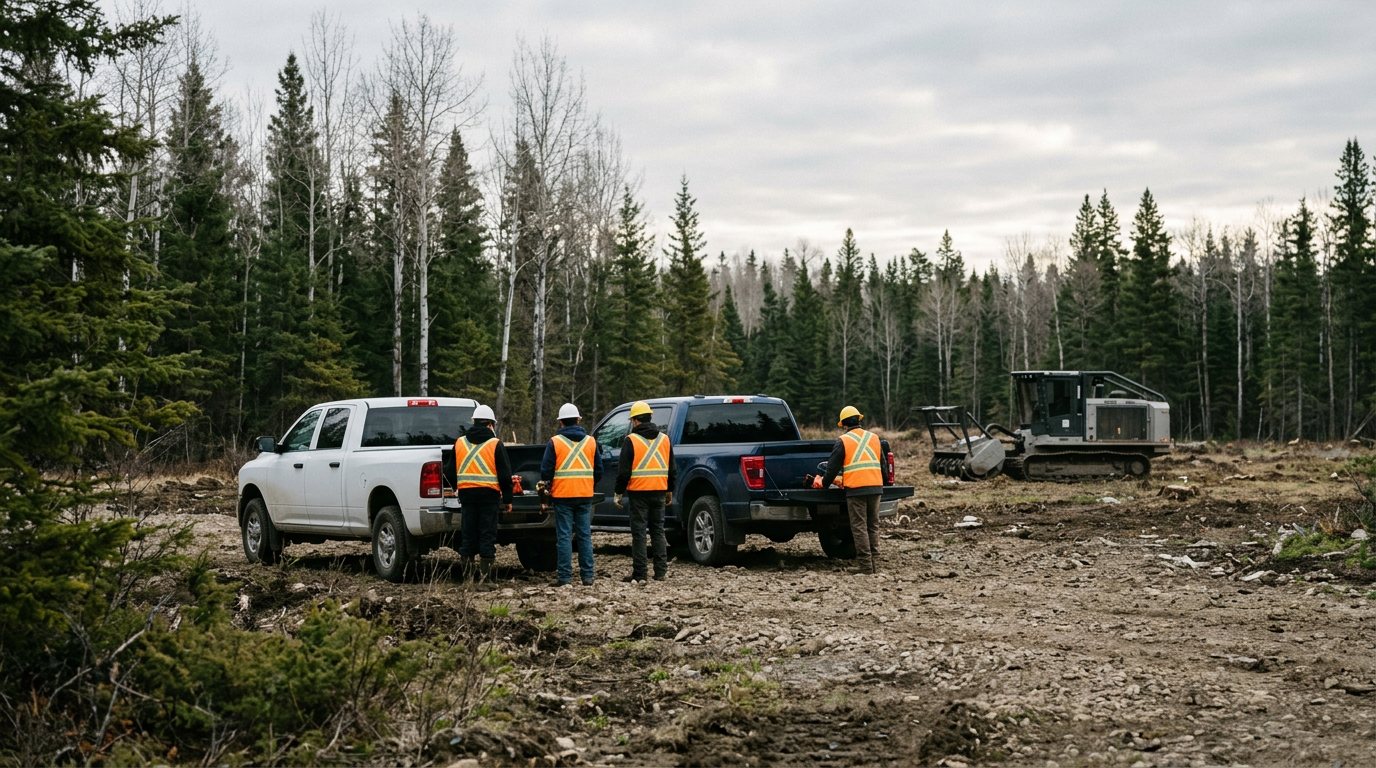
A bid comes in for your pipeline ROW clearing project. The price looks good. The contractor has the equipment. The timeline works.
Then your contractor management platform flags them as not registered, and your safety department confirms they’re not COR certified. Hiring a COR certified land clearing contractor isn’t paperwork for its own sake. It’s what gets your project approved to start.
You’re back to square one.
This happens more often than it should in Alberta’s industrial land management space. That’s especially true on pipeline, utility, and oilfield surface work, where the qualification requirements are set by the operator, not negotiated job by job. If a land clearing contractor doesn’t hold the right certifications, the price on their quote doesn’t matter. They can’t get on your approved vendor list.
So this guide explains what COR certification actually proves, what the other contractor qualification platforms are and why operators use them, and what to look for when you’re sourcing a land clearing contractor for industrial work in Alberta.
What COR Certification Is
COR stands for Certificate of Recognition. It’s Alberta’s occupational health and safety certification program for employers, administered through certifying partners like the Alberta Construction Safety Association (ACSA) and others under the Alberta government’s OHS framework.
A COR-certified employer has built and maintains a formal OHS management system. That system covers hazard identification, safety procedures, training records, incident reporting, corrective action processes, and management accountability for safety.
Getting COR certified isn’t a matter of filling out a form. It involves an internal audit conducted by a trained auditor, followed by an independent external audit from a qualified auditor approved by the certifying partner.
To keep a COR, employers complete internal maintenance audits in the years between, plus a full external recertification audit every three years, per the ACSA’s COR process. They’re also required to document their safety performance, track lagging indicators like injury rates and incident frequency, and demonstrate continuous improvement.
What the Audit Actually Covers
The COR audit uses a standardized tool with elements including:
- Management, leadership, and organizational commitment to safety
- Hazard identification and assessment
- Hazard controls and implementation
- Work site inspections
- Qualifications, orientations, and training
- Emergency response
- Incident investigation
- Program administration
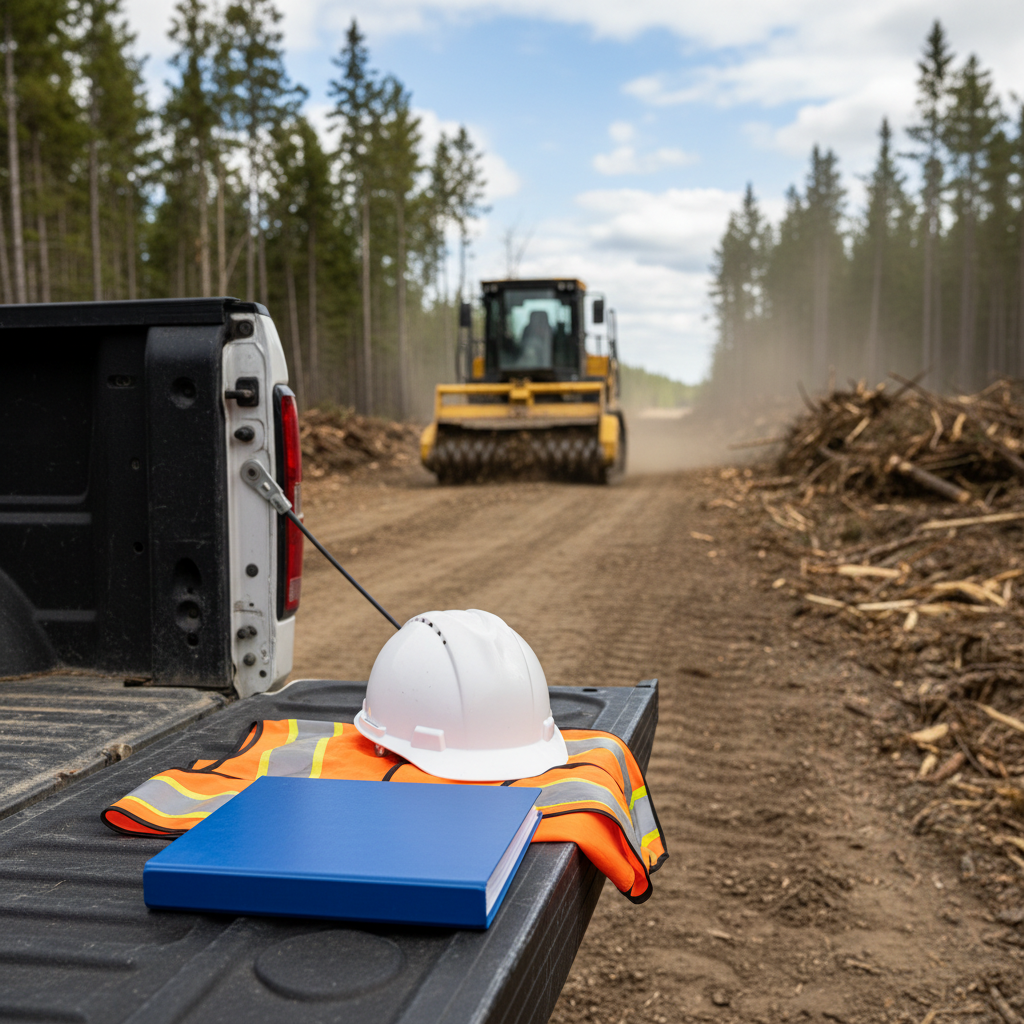
A contractor who passes an external COR audit has shown that their safety management system actually functions in the field, not just on paper. That’s the real difference between a contractor who has a safety binder on a shelf and one who runs a documented safety program.
You can verify any Alberta COR holder’s certificate status directly through the certifying partner’s registry. Or simply ask the contractor for their certificate number and confirm it with the issuing organization.
Why Oil and Gas Operators Require It
The short answer: under Alberta’s Occupational Health and Safety Act, prime contractors on multi-employer work sites carry shared responsibility for the overall safety program. So when a pipeline operator brings a land clearing contractor onto a right-of-way, the operator takes on prime contractor liability for the site conditions that crew is working under.
COR certification is how operators manage that liability at the vendor qualification stage, rather than the incident investigation stage. An operator who hires a COR-certified contractor has a documented basis for concluding the contractor runs a credible safety program. An operator who hires an uncertified contractor, and then has an incident, has a much harder time defending that decision.
Beyond liability, most major pipeline operators, utilities, and oilfield service companies simply have internal procurement policies that require COR as a minimum. It’s not a preference. It’s a checklist requirement. A non-COR contractor is a non-starter, regardless of price, availability, or relationship.
For reference, the ACSA’s COR program information outlines the structure of the program and the list of approved certifying partners.
What ISNetworld, ComplyWorks, and Avetta Are
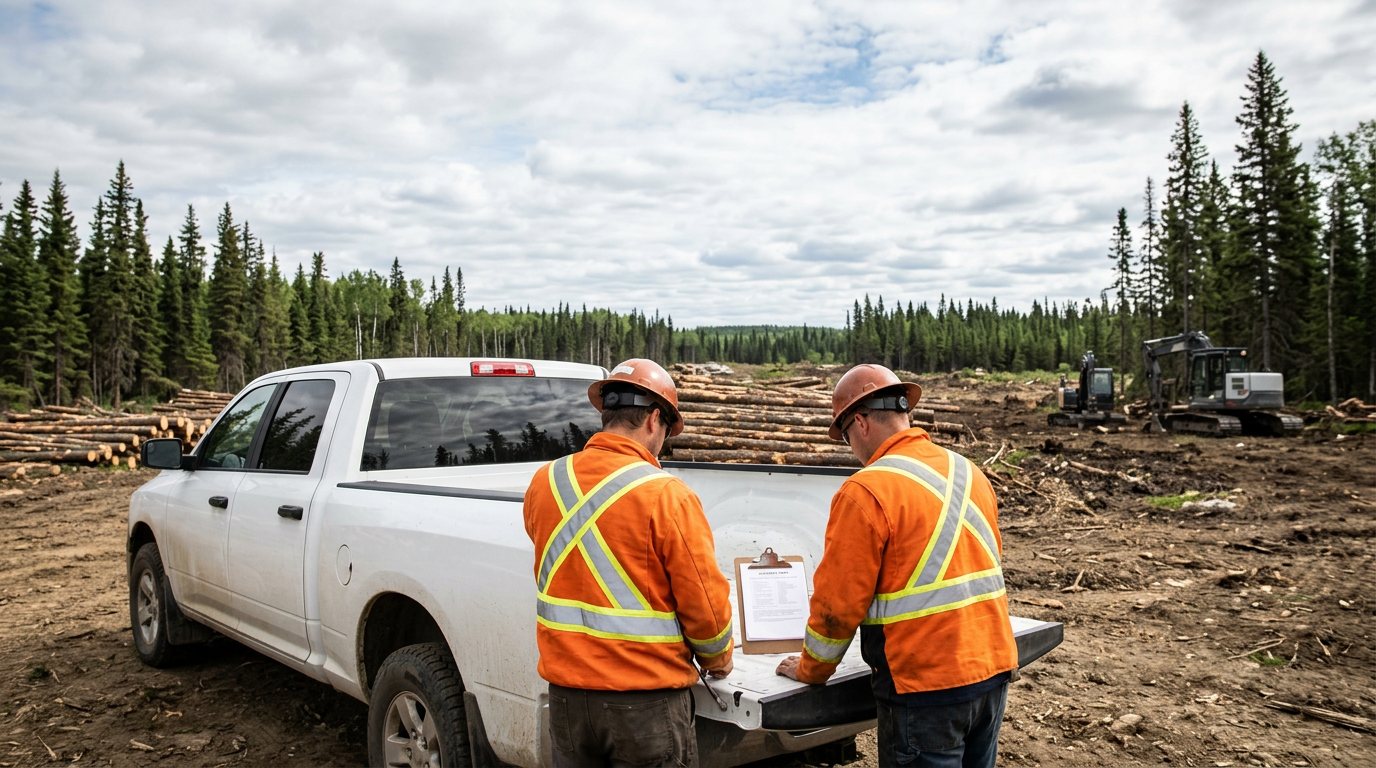
COR is the baseline certification. The next layer is contractor management platforms: third-party systems used by oil and gas operators, utilities, and large industrial clients to centralize contractor qualification, track compliance, and manage vendor risk at scale.
ISNetworld
ISNetworld (ISN) is one of the largest contractor management platforms in North America. Contractors register on the platform and upload their safety data, insurance certificates, incident history, certifications, and other qualification documents. Operators who use ISN can run a check on any registered contractor instantly and see their current standing.
ISN calculates a RAVS (Review and Verification Service) score based on the contractor’s submitted safety data. Many operators set a minimum RAVS score as part of their qualification criteria. So getting into good standing on ISN requires consistent safety data submission and documentation maintenance, not a one-time upload.
ComplyWorks
ComplyWorks is a Canadian contractor management platform with strong penetration in the Alberta oil and gas sector. It works similarly to ISN: contractors register, submit compliance documentation, and clients use the platform to screen vendors against their specific requirements. ComplyWorks is particularly common among Alberta and Saskatchewan operators, and is used by many of the mid-tier pipeline and utility companies operating in northeastern Alberta.
Avetta
Avetta is another global contractor management and supply chain risk platform. It has a significant presence in the energy sector and is used by several major operators in Alberta. Like ISN and ComplyWorks, Avetta requires contractors to maintain current documentation and meet client-specific qualification requirements within the platform.
Why These Platforms Matter Practically
Being registered on the platform your client uses isn’t just a compliance checkbox. It’s the difference between being visible to procurement teams and being invisible. Most major operators do their initial contractor screening through these platforms, before they ever issue an RFP or make a call.
A contractor registered on ISN, ComplyWorks, and Avetta, with current standing and a solid safety record, is accessible to a wide range of operators in Alberta without a lengthy pre-qualification process. A contractor not registered on any of them needs to go through a manual qualification process that can take weeks or months for a first engagement.
That matters most when timelines are tight. A contractor who shows up already registered and in good standing can be approved and mobilized in days. One who isn’t can hold up an entire project while procurement works through a manual vetting process, insurance review, and safety documentation exchange, none of which is quick when a right-of-way needs clearing before a pipeline tie-in deadline.
What These Certifications Mean for Residential and Acreage Customers
If you’re a residential property owner or acreage owner in northeastern Alberta looking for tree removal, lot clearing, or brushing work, COR and the vendor management platforms aren’t directly relevant to you the same way they are to a pipeline operator. But what they tell you is still useful, just in a different way.
A contractor who holds COR certification and maintains active registrations on industrial contractor management platforms is running a serious, professionally managed operation. They have documented safety procedures, trained crews, and current commercial insurance coverage. In practice, that means when someone from their crew is working 20 metres up your property removing a hazard tree, you’re not exposed to the liability risk that comes with a fly-by-night operation carrying no coverage.
For residential and acreage work, here’s the plain-language translation of Pevach’s certification stack: they’re a professionally certified and insured contractor, with the documentation to prove it. The same qualifications that get them onto major pipeline corridors apply to work on your property.
How to Verify a Contractor’s Certification Status
Before you award work to a land clearing contractor in Alberta, here’s what to verify.
COR status: Ask for the certificate number and certifying partner, then confirm with the certifying partner directly. Certificate numbers should be current, meaning re-audited within the last three years. Ask when the last external audit was completed and what the result was.
ISNetworld/ComplyWorks/Avetta status: Ask which platforms the contractor is registered on and in what standing. Most contractors in good standing can give you their contractor ID, along with their ISN RAVS score or platform standing. If your organization uses one of these platforms, run the check yourself.
Insurance: Ask for a current Certificate of Insurance naming your organization as an additional insured. Verify the coverage levels against your contract requirements before anyone mobilizes.
Incident history: Ask about the contractor’s TRIF (Total Recordable Incident Frequency) and any serious incidents in the last three years. A COR-certified contractor will have this data documented.
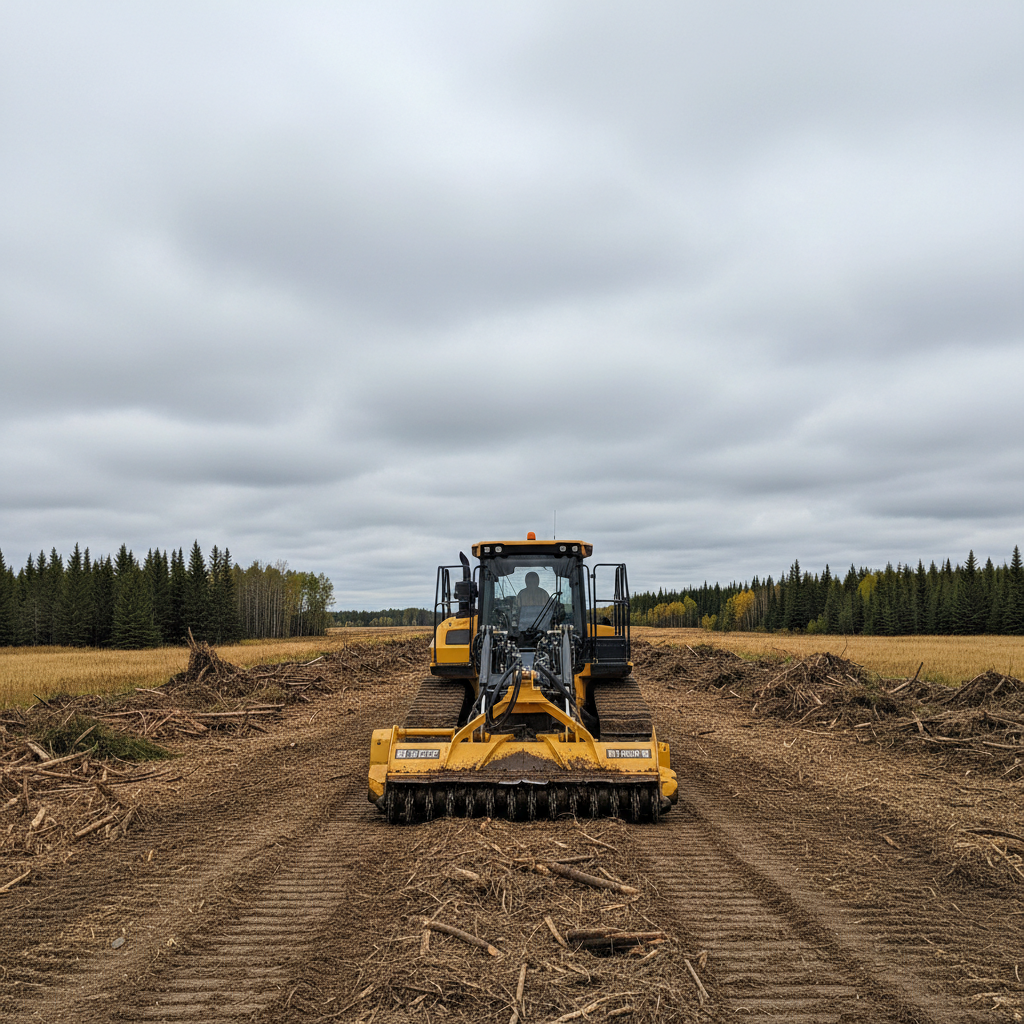
A contractor who can walk through all of these questions without hesitation, and produce documentation on request, is running a real safety program. One who hedges, or can’t produce records, is a risk regardless of price.
FAQ
What does COR certification actually require of a contractor?
COR certification requires a documented occupational health and safety management system covering hazard identification, training records, incident reporting, and corrective action processes. It’s earned through an internal audit followed by an independent external audit from a certifying partner such as the Alberta Construction Safety Association. It’s then maintained through annual internal audits plus a full external re-audit every three years.
How do I verify a contractor’s COR certificate is actually current?
Ask for the certificate number and the name of the certifying partner. Then confirm status directly with that certifying partner’s registry, rather than relying on the contractor’s word. A current certificate should show a re-audit within the last three years. If a contractor can’t produce a certificate number on request, treat that as a red flag.
Is COR the same thing as being registered on ISNetworld, ComplyWorks, or Avetta?
No. COR is the underlying safety certification. ISNetworld, ComplyWorks, and Avetta are separate third-party contractor management platforms that operators use to centralize a contractor’s safety data, insurance, certifications, and incident history for procurement screening. A contractor can hold COR and still not be registered on the specific platform your organization uses, so it’s worth checking both independently.
Can a non-COR-certified contractor still work on a pipeline right-of-way?
Generally, no. Most major pipeline operators and utilities in Alberta set COR as a non-negotiable minimum for their approved vendor list, tied to their own prime contractor liability under Alberta’s Occupational Health and Safety Act. Price, equipment, or availability doesn’t override that requirement.
How often does a COR-certified contractor get re-audited?
Employers complete an internal maintenance audit annually, and a full independent external audit every three years. Ask a contractor when their last external audit happened and what the result was. That answer tells you whether their certification reflects an active, functioning safety program, or a certificate that’s simply aging out.
The Competitive Reality in Alberta’s Land Clearing Market
Alberta’s industrial land clearing market has a clear tier structure. At the top are certified contractors who can work for any major operator. Below that are contractors who can work for mid-tier operators with less stringent qualification requirements. At the bottom are contractors who can only work for smaller private clients who don’t require certification.
The certification requirements aren’t arbitrary bureaucracy. They reflect the genuine risk management needs of operators who are legally responsible for the work sites they control. A pipeline operator can’t bring an uncertified contractor onto their ROW, just as a hospital can’t bring in an unlicensed electrician to do electrical work. The certification is how the sector has standardized contractor qualification.
For a land clearing contractor operating in northeastern Alberta, holding the full certification stack (COR plus ISNetworld, ComplyWorks, and Avetta) is what it takes to work for most major operators in the region without delays. That’s not a marketing claim. It’s a practical reality of doing business in this sector.
Pevach Corp’s Certification Stack
Pevach Corp is COR certified and maintains active registrations on ISNetworld, ComplyWorks and Avetta. Operating out of Bonnyville, they’ve built a certification and compliance foundation that meets the qualification requirements of the major pipeline operators, utilities, and industrial clients working across northeastern Alberta.
If you’re qualifying contractors for ROW clearing, land management, or brushing work in the Bonnyville, Cold Lake, St. Paul, or Lac La Biche area, and need a certified crew that can move quickly through your vendor qualification process, contact Pevach Corp through pevachcorp.com.
